
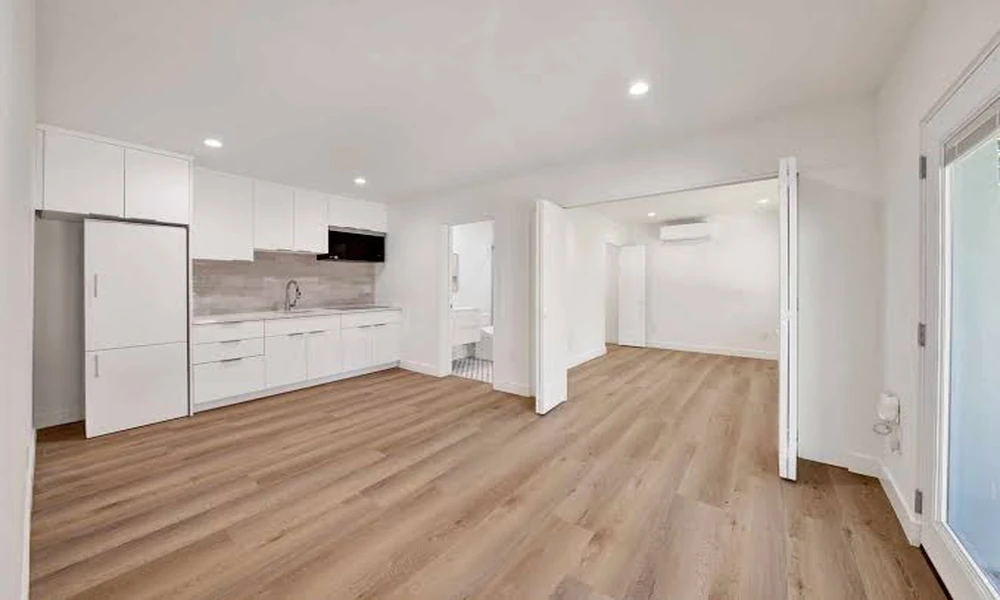
Target Focus: Unpermitted Units, Habitability Violations & Tenant Financial Recovery
Across California’s competitive housing market, property owners frequently convert garages, basements, utility rooms, or detached sheds into residential dwellings without securing proper building permits or certificates of occupancy. While these living spaces may appear convenient or affordable on the surface, leasing an unpermitted unit or maintaining residential premises with severe code violations violates the implied warranty of habitability under California Civil Code § 1941.1. Under state law, this subjects landlords to major legal liability while opening significant avenues for tenant financial recovery.
Many renters are unaware that an unpermitted dwelling unit cannot lawfully be rented in the state of California. Because an unpermitted structure lacks valid municipal authorization, the underlying residential lease agreement is considered void from inception as an illegal contract. As a tenant residing in an unpermitted or substandard structure, you possess substantial, enforceable legal rights that allow you to hold irresponsible property managers accountable while seeking full monetary compensation.
1. Rent Restitution Claims: Recover Past Paid Rent
Because an unpermitted residential lease contract is legally void from its start, tenants are not legally obligated to pay rent for spaces that fail to meet statutory habitability standards. Through legal representation, tenants can initiate civil litigation against property owners to demand complete restitution of past rent payments made during their tenancy. In many cases, courts require landlords to return thousands of dollars in rent collected on illegal dwellings.
2. Mandatory Relocation Assistance
When local building code enforcement agencies inspect an unpermitted structure, they frequently issue citations or red-tag the property, forcing an immediate vacation of the premises. This sudden displacement constitutes constructive eviction. Under local tenant protection ordinances across California-including regulations in San Diego, Los Angeles, and the Bay Area-landlords are legally obligated to pay substantial cash relocation assistance fees. These mandatory payments ensure tenants have immediate financial resources to secure safe, lawful replacement housing.
3. Comprehensive Protection Against Retaliation
A common fear among tenants is that reporting unpermitted or dangerous conditions will lead to an immediate eviction notice or landlord harassment. However, California Civil Code § 1942.5 strictly prohibits landlords from retaliating against tenants. Property owners cannot evict you, arbitrarily raise your rent, decrease services, or intimidate you for exercising your right to report unpermitted construction, mold infestations, or safety hazards to municipal building code authorities.
Enforce Your Tenant Rights with Experienced Legal Advocacy
Landlords who refuse to make necessary structural repairs, address dangerous mold or pest infestations, or bring illegal units up to municipal code standards expose themselves to severe statutory damages, mandatory tenant attorney fee shifting, and substantial monetary judgments in court. You do not have to accept unsafe living conditions or endure financial exploitation by a non-compliant property owner.
If you suspect your rental unit is unpermitted or are facing constructive eviction due to code violations, take action immediately to protect your financial interests. Contact Leeran S. Barzilai, A Professional Law Corporation to schedule a consultation. Our office will analyze your lease agreement, assist in filing formal code enforcement complaints, and aggressively enforce your rights to recover the compensation you deserve under California housing law.
(619) 436-7544 receptionist@lbatlaw.com