
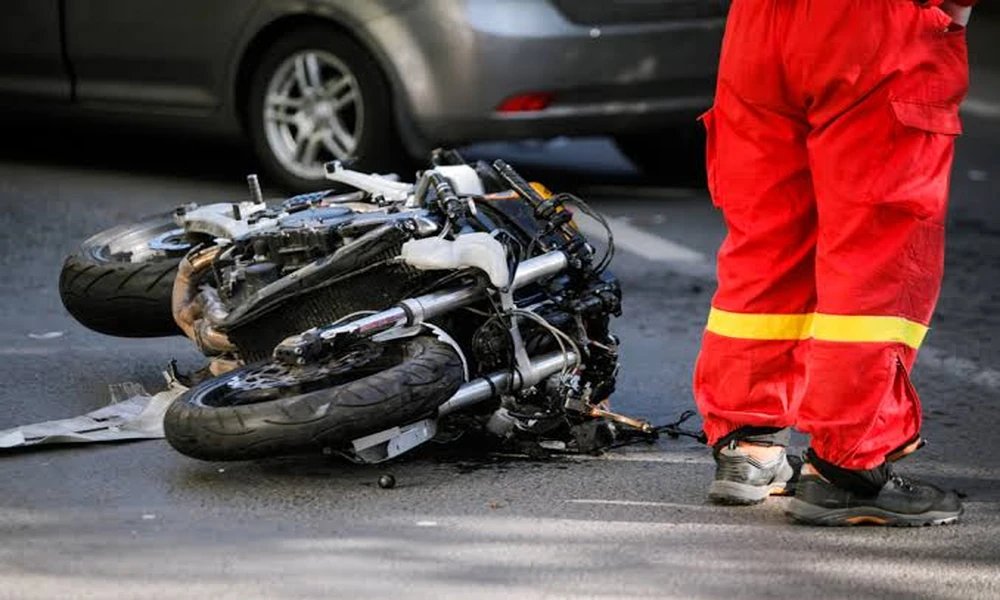
A motorcycle accident can leave an injured rider dealing with medical appointments, time away from work, repair costs, and unexpected financial pressure. Unfortunately, the claims process can become even more complicated when an insurance company argues that the motorcyclist caused or contributed to the collision.
Insurers may question the rider’s speed, positioning on the road, reaction time, or other actions leading up to the crash. When these arguments arise, seeking legal help for motorcycle accident in Denver can help an injured rider better understand the claims process, evaluate the available evidence, and respond to allegations about fault. Rather than allowing assumptions to determine the outcome, a claim should be evaluated according to the facts surrounding the collision.
Understanding Why Fault Becomes A Major Issue
Fault has a direct relationship with compensation in many motorcycle accident claims. Colorado generally follows a modified comparative negligence system. This means an injured person may potentially recover damages when they are less than 50 percent responsible, although their recovery can be reduced according to their percentage of fault.
Because of this system, disagreements about responsibility can have significant financial consequences. If an insurer successfully assigns a greater percentage of blame to the rider, the amount potentially recoverable may decrease. If the rider is considered 50 percent or more responsible, recovery may be barred. This makes it important to carefully examine any claim that the motorcyclist contributed to the accident.
Do Not Assume The Insurer’s Version Is Correct
An insurance adjuster’s assessment is not necessarily the final determination of what happened. Adjusters review claims for insurance companies, and their conclusions can be challenged when other evidence presents a different picture.
For example, an insurer might argue that a motorcyclist was traveling too quickly because the collision resulted in substantial damage. Physical damage alone, however, may not establish the rider’s exact speed. Likewise, an insurer could suggest that a rider should have avoided a collision without fully considering how suddenly another vehicle entered the rider’s path.
Motorcyclists should avoid accepting fault simply because an insurer presents its interpretation confidently. The circumstances and supporting evidence deserve closer examination.
Preserve Evidence From The Accident
Evidence can become particularly valuable when fault is disputed. Photographs of the vehicles, motorcycle, roadway, traffic signals, skid marks, debris, and surrounding area may provide useful information about how the collision occurred.
Video footage can also be important. Traffic cameras, dashcams, security cameras, and nearby business surveillance systems may have captured part or all of the accident. Because some recordings are automatically deleted after a limited period, identifying potential footage early can be useful.
Witness statements can provide another perspective. Someone who saw a vehicle make an unsafe turn, change lanes unexpectedly, or fail to yield may help clarify events when the drivers provide conflicting accounts.
Be Careful When Discussing The Crash
Following an accident, an insurance representative may request a statement about what happened. Injured riders should be thoughtful about how they describe the collision, particularly when they are still recovering or do not yet have access to all available evidence.
Small comments can sometimes be interpreted in ways the speaker did not intend. Saying “I didn’t see the car until the last second,” for example, could be presented as evidence of inattention even when the other driver suddenly entered the motorcycle’s path.
Providing accurate information is important, but riders do not need to speculate about details they cannot confidently remember.
Medical Documentation Can Support The Claim
A motorcycle injury claim is not limited to determining who caused the collision. The extent of the rider’s injuries and resulting losses must also be established.
Medical records can document diagnoses, treatments, rehabilitation, medications, and recommendations for future care. Keeping appointments and following reasonable treatment instructions may also create a clearer record of the recovery process.
Other documents can establish financial losses. Pay records, employer statements, repair estimates, receipts, and information about reduced earning ability may all become relevant depending on the circumstances.
Challenge Motorcycle Rider Stereotypes With Facts
Motorcyclists sometimes face assumptions that they are naturally more willing to take risks than other road users. Such generalizations should not replace evidence about a specific accident.
A rider’s choice to use a motorcycle does not automatically establish negligence. The important questions concern what each road user actually did. Did another driver fail to yield? Was there an unsafe lane change? Did a vehicle turn across the motorcycle’s path? Was someone distracted? Focusing on specific conduct rather than stereotypes can help keep the claim centered on relevant facts.
Consider The Full Value Of The Losses
When fault is disputed, an insurer may combine blame arguments with an early settlement offer. Resolving the claim quickly can seem attractive when medical bills and other expenses are accumulating.
However, serious injuries may involve future rehabilitation, ongoing treatment, reduced earning capacity, or lasting physical limitations. The long-term consequences should therefore be considered before deciding whether an offer reasonably reflects the losses associated with the accident.
Responding To Blame With Preparation
An insurer’s attempt to shift responsibility does not automatically determine the outcome of a motorcycle injury claim. Accident scene evidence, witness accounts, medical documentation, video footage, and a careful analysis of each driver’s actions can provide a more complete understanding of what occurred.
For an injured motorcyclist, preparation is especially important when responsibility is contested. Preserving evidence, avoiding speculation, documenting losses, and understanding Colorado’s fault rules can help ensure that the claim is evaluated based on the circumstances of the accident rather than assumptions about the rider.